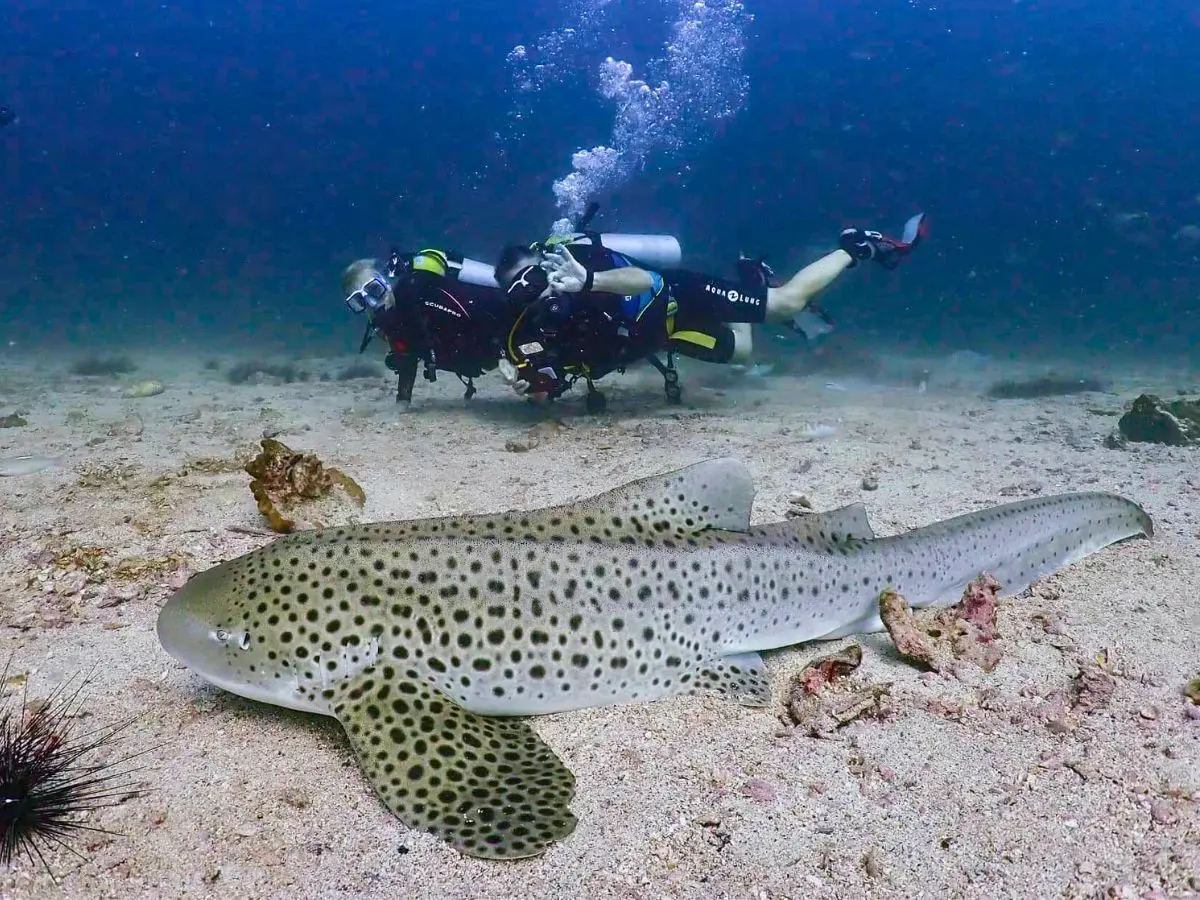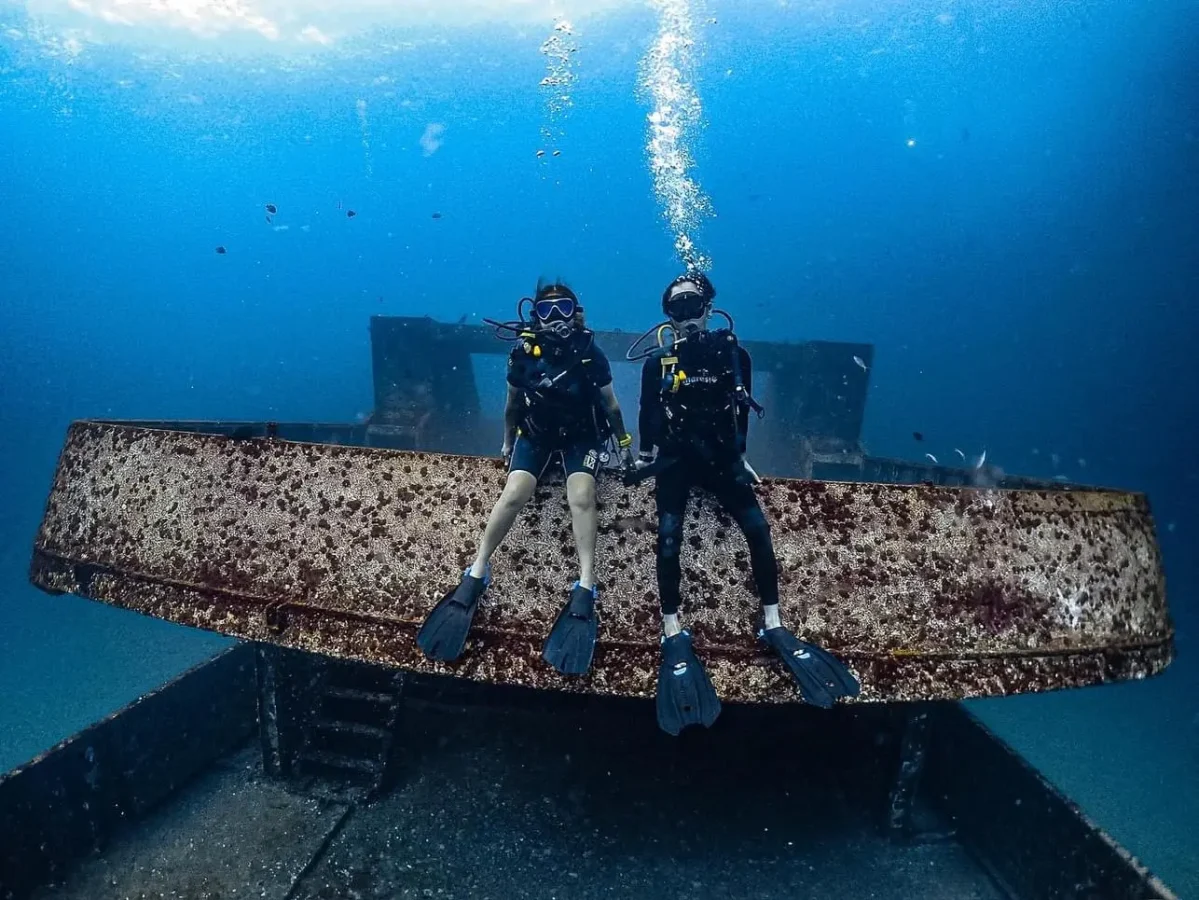


Responsible scuba diving in Phuket starts with enjoying the reef while leaving it as you found it. Good buoyancy, a little space around wildlife and a thoughtful approach to photographs make the experience better for everyone.
These habits belong on every dive, whether you are taking your first breaths underwater or joining a longer liveaboard trip. You do not need to be an expert marine biologist to make a difference: begin with the way you move, the equipment you carry and the briefing you follow.
Make good buoyancy your first reef-care skill

Float comfortably above the seabed
Check your weighting with your guide, settle your breathing and use controlled fin movements. Give yourself enough clearance to avoid brushing coral as you turn or stop.
Secure gauges, spare air sources and other loose equipment so they cannot trail across the reef. If you have been out of the water for a while, a scuba refresher is a useful way to rebuild confidence.
Tell your instructor or guide if staying level feels difficult. Practising a skill in a suitable open area is more useful than struggling to hold position beside delicate coral. On a first scuba experience, follow your instructor’s positioning and instructions throughout the dive.
Let marine life carry on with its day
Observe without touching
Keep your hands and fins clear of coral. Leave shells and animals where you find them, and avoid moving anything to improve a photograph. A small patch of reef can shelter more life than is immediately visible.
Keep an open escape route
Give turtles, sharks and other wildlife room to move away. Avoid chasing, feeding, surrounding or blocking an animal. If it changes course to avoid the group, make more space.
A calm encounter is often the most rewarding one. The sharks of Thailand guide explains what to look for, while Underwater Thailand introduces the wider reef life you might notice on a dive.
Take photographs with the reef in mind
Before packing a camera, check the underwater camera guidance for beginner divers and confirm what applies to your trip. Once photography is permitted, put buoyancy and awareness first.
- Settle into a stable position before looking through the viewfinder.
- Keep your camera and body clear of coral; avoid using the reef as a support.
- Leave space around the subject instead of joining a circle of cameras.
- Keep track of your buddy, depth, air and guide.
- Let a difficult photograph go if taking it would disturb wildlife or the reef.
The independent Green Fins underwater photography guide offers a useful visual reminder of good practice.
Bring the same care onto the boat

Bring a reusable bottle where the boat’s drinking-water system allows it. Keep wrappers, tissues and other light items secure before the boat moves, and use the rubbish facilities provided. Nothing should be thrown overboard.
Use shade and suitable sun-protective clothing, and follow current park guidance on sunscreen products. A marketing label alone does not establish that a product is suitable everywhere. Leave coral, shells and wildlife souvenirs out of your shopping basket.
Listen to the site briefing
Access, current, visibility and local restrictions can change. Follow the captain and guide on where to enter, which areas to avoid and how the group will move. A change of site can be part of looking after both the group and the environment.
Ask practical questions when choosing a trip
Ask how briefings, wildlife encounters, waste and group supervision are handled. Look for clear explanations and responsible behaviour on the day. Environmental claims should be specific and supported; the Green Fins approach is a helpful independent reference.
If you notice damage or harmful behaviour, tell your guide calmly and explain where it happened. Report concerns after the dive rather than creating a confrontation underwater. For a serious concern, ask the team which local authority or park is the appropriate contact.
Your responsible-diver checklist
- Before entering: listen to the briefing, check your equipment and secure loose items.
- Beside the reef: stay balanced and keep fins, hands and equipment clear.
- Near wildlife: leave space and avoid touching, feeding or following.
- With a camera: photograph only when it is permitted and you can hold position.
- Back on board: secure rubbish and leave natural souvenirs in the sea.
Put these habits into practice on a Phuket diving day trip or a seasonal liveaboard. Choose a route that suits your skills, then enjoy the details that make each reef different.
Questions about responsible diving
Can a beginner be a responsible diver?
Yes. Listen to your instructor, follow their positioning and ask for help when you need it. Learning controlled movement and keeping clear of the reef are part of building good diving habits from the start.
Is it OK to touch coral with gloves?
No. Gloves do not protect coral from contact. Keep your hands, fins and equipment clear and follow any site-specific rules about gloves.
Should I pick up rubbish underwater?
Point it out to your guide first. An item may be entangled, sharp or already sheltering animals. Follow the guide’s advice and avoid damaging the reef or compromising your dive to retrieve it.
How close can I get to a turtle or shark?
Follow the briefing and local rules, leave the animal room to move freely and increase your distance if it reacts to you. Never block a turtle’s path to the surface or surround a resting shark.
Further reading: NOAA marine-life viewing guidance.
 4.8/5
4.8/5 Read on Google