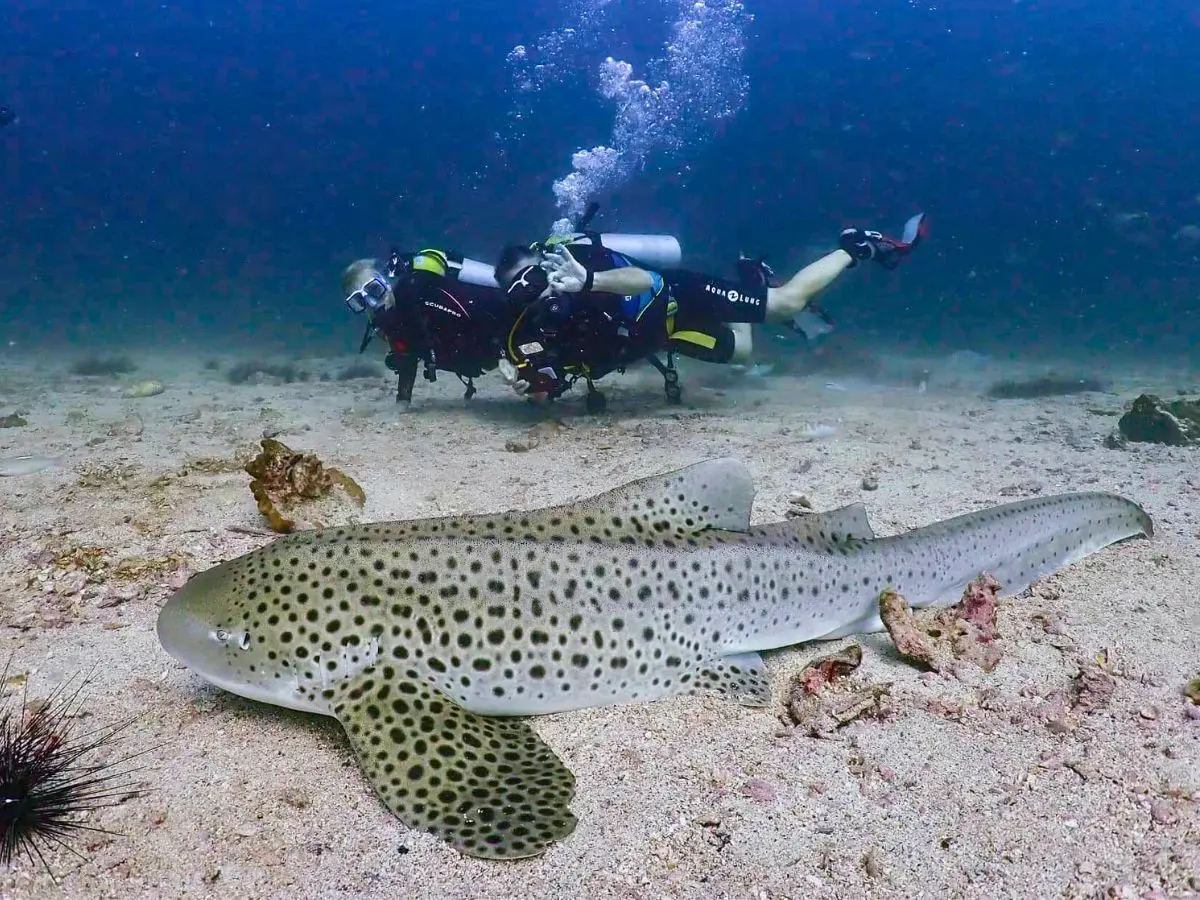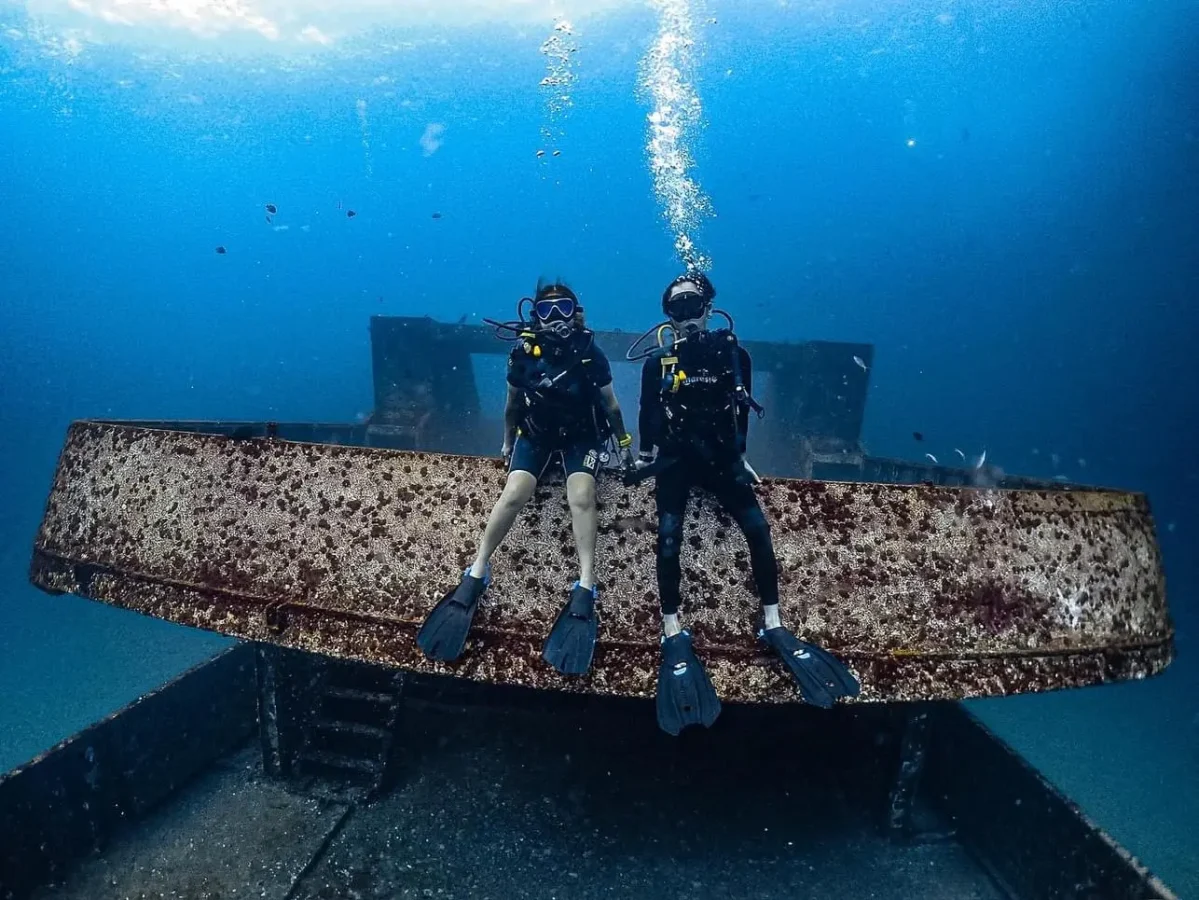


Your first breath underwater is a moment you remember. Suddenly, the reef is beside you, fish move through the blue and an entirely new part of Phuket opens up. A little preparation helps you enjoy that experience with more confidence.
New to scuba? You can start with an instructor-led introduction. You do not need to arrive knowing how the equipment works: learning the basics is part of the experience.
1. Choose the right first dive
If you want to try scuba during your holiday, Discover Scuba Diving is designed for people without a diving certification. Your instructor introduces the equipment, explains the essential skills and stays with you during the dive.
If your aim is to qualify as a diver, our PADI Open Water course in Phuket combines three days of training with a private instructor and six reef dives. Tell us how many days you have in Phuket and we can help you choose.
2. Share your water confidence
Some first-time divers already love snorkelling; others feel excited and a little nervous. Both are useful things for your instructor to know. Tell us about your swimming ability and any worries when you enquire, so we can discuss the right programme and support.
You can ask questions, repeat a skill and take a moment to settle. The aim is to feel comfortable with each step.
Our swimming and scuba guide explains the pool-first route for non-swimmers and the separate certification requirements.
3. Complete the medical form early
Read the diver medical questionnaire before your trip and answer it accurately. Depending on your answers, a physician’s approval may be required before you can dive. Sorting this out early gives you time to arrange any necessary assessment.
Let the team know if your health changes before the day. If you are unsure about a condition or medication, get advice from a medical professional familiar with diving.
4. Pack light for a day at sea
Bring swimwear, a towel, sun protection, dry clothes and any documents requested with your booking. A small dry bag is useful for your phone and belongings. Keep valuables to a minimum and put your essentials somewhere easy to reach.
Read your booking details for the equipment, meals and transfers included. Your confirmed pickup time and meeting place are the ones to follow.

5. Enjoy the boat journey
The journey is part of the day: time to meet your instructor, look out towards the islands and get ready for your first dive. Arrive rested, stay hydrated and allow plenty of time to reach your pickup or meeting point.
If you are prone to seasickness, ask a doctor or pharmacist beforehand about an option suitable for diving. Some medicines cause drowsiness, so make clear that you will be scuba diving.
6. Start with small steps
Before exploring, your instructor will explain the equipment, hand signals and basic skills. You will practise breathing through the regulator and the skills needed for the experience in shallow, controlled conditions.
Use this time to ask anything you like. Getting comfortable with your mask and regulator makes it easier to relax and notice the underwater world around you.
7. Breathe and move gently
Breathe continuously through your regulator and never hold your breath while scuba diving. Follow the breathing technique your instructor demonstrates, and keep your movements slow and unhurried.
Stay close to your instructor and use the agreed hand signals to communicate. You do not need to rush after a fish or cover a large distance to enjoy a reef.
8. Take care of your ears
Your instructor will show you how to equalise the pressure in your ears. Do it gently and frequently as you descend, before discomfort develops.
If your ears do not clear, signal immediately and stop descending. Follow your instructor’s guidance; never force equalisation or push through pain. A comfortable descent matters more than reaching a particular depth.
9. Look closely, leave only bubbles
Take your time with the smaller details: fish sheltering among coral, changing colours and sunlight moving through the water. Keep hands, fins and equipment clear of the reef, and let marine life move freely around you.
Leave underwater photography to the dive professional on your first experience. You will have more attention for your instructor, your breathing and the things you came to see. Check our underwater camera guide for beginners before bringing a camera.
10. Plan your flight before diving
Tell us your flight departure time when choosing your dive date. For divers without symptoms after no-decompression diving, DAN recommends waiting at least 12 hours after one dive, or at least 18 hours after multiple dives in a day or diving on consecutive days, before flying.
A longer interval further reduces risk. Follow any longer interval advised for your actual dives, and leave room in your holiday plans to enjoy the surface time. Use our flying after scuba diving guide to plan your final dive day.
Common questions
Do I need to learn the equipment before I arrive?
No. Your instructor explains it as part of the experience. Complete any learning or forms sent with your booking, then bring your questions to the briefing.
What if I need more time to feel comfortable?
Tell your instructor and take the experience one step at a time. If you already know you would prefer to start in a pool, ask about Explore Scuba before choosing your dates.
What should I send when enquiring?
Your preferred date, hotel area, number of participants and swimming confidence are a useful start. Include your flight departure time so the team can help you choose a suitable diving day.
Flying guidance checked against DAN’s recommendations. The practical tips support your preparation; your instructor provides the training and dive briefing.
 4.8/5
4.8/5 Read on Google