
Phuket – Thailand
Racha Yai Underwater Museum:New Ramayana Sculptures and Older Statues
The Racha Yai underwater museum is a new project taking shape at Siam Bay, adding Ramayana-inspired art to an island already known for coral reefs, sandy bays and unusual underwater landmarks.
Four large new works are planned to join the repaired Hanuman installation. The project is exciting, but there is an important distinction for divers planning a trip: the four additions are not yet confirmed as open underwater attractions.
Latest update — September 2026: On 7 September, the Director-General of Thailand’s Department of Marine and Coastal Resources inspected construction of the next sculptures. The latest project report says the remaining works are expected to be completed during September, with installation at Siam Bay planned for early 2027 after the southern monsoon. The timetable remains subject to engineering, environmental and safety checks.
At a glance
The repaired Hanuman installation was reported accessible from early August. The remaining Ramayana works are still being constructed and are not open underwater attractions; installation is currently planned for early 2027.
New Ramayana Sculptures
The next sculptures depict characters and scenes from the Ramayana’s “Jong Thanon” road-building episode:
- Rama
- Ravana, also known in Thailand as Thotsakan
- Suphannamatcha
- Kon Thanon, representing the road-building scene
They are intended to join the Hanuman installation in Siam Bay. The reported designs are substantial: Thotsakan is approximately 6 metres high and 8 metres wide; Rama is approximately 5.5 metres high and positioned on an arch no more than 6 metres high; and Suphannamatcha is approximately 4.5 metres high.
The earlier first phase was reported to contain 73 underwater elements at depths of approximately 12–19 metres: 47 Hanuman-themed pieces, 15 3D-printed fence structures and 11 artificial-reef units.
The wider project is known as the RAYA Underwater Art Museum.
Why build art underwater?
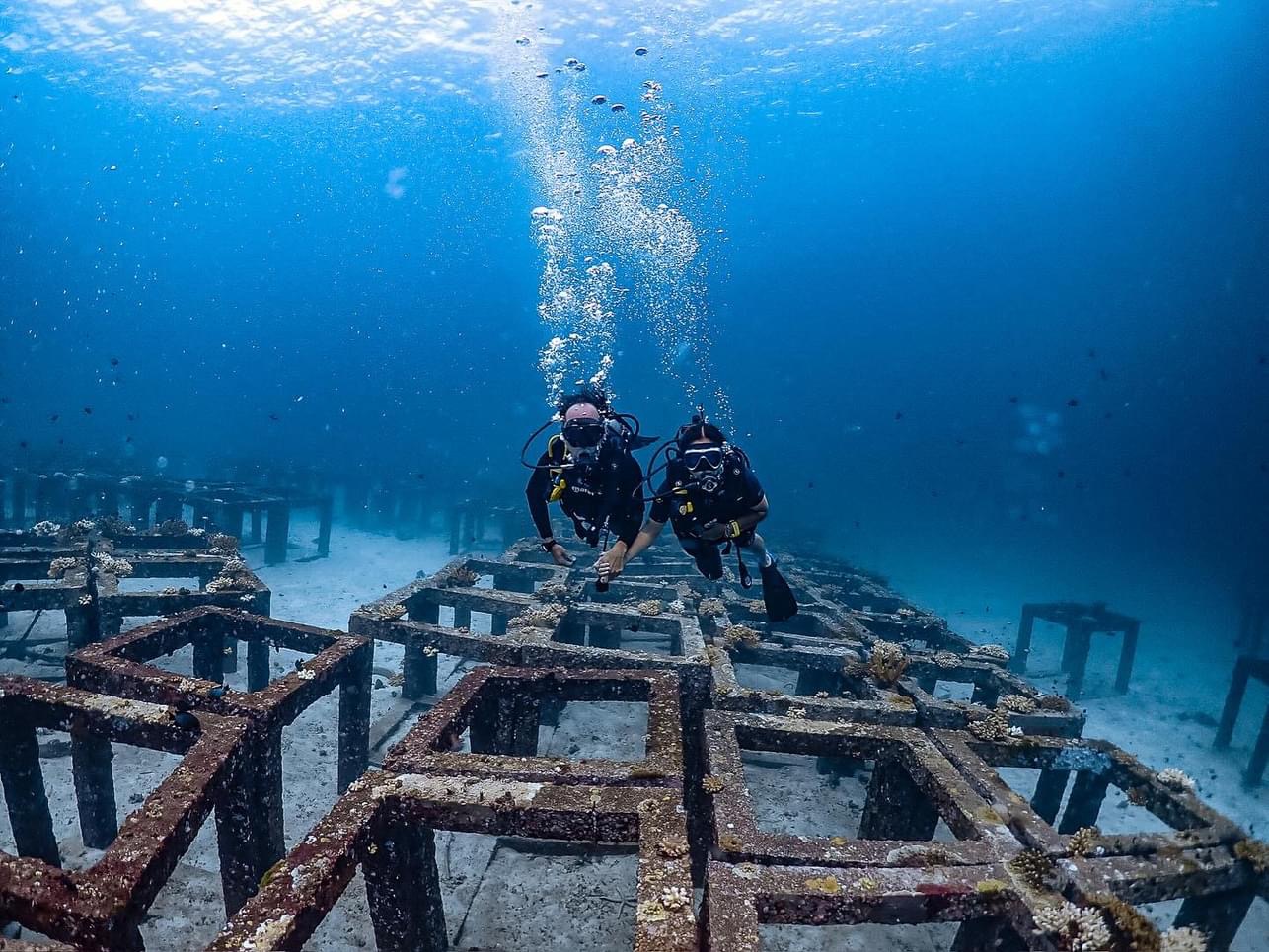
The project is not presented only as a visitor attraction. In its original cooperation announcement, Thailand’s Department of Marine and Coastal Resources said the underwater museum was intended to reduce pressure from diving activity on natural coral reefs, give natural areas more opportunity to recover and create artificial habitat for coral larvae and marine life.
Those are the project’s aims, rather than guaranteed results. Artificial structures change over time, and their ecological effect needs to be monitored. The official plan includes environmental oversight as well as tourism and cultural objectives.
For divers, that conservation purpose matters. The responsible way to visit any artificial-reef or sculpture site is to maintain good buoyancy, avoid contact, follow the guide’s instructions and give both the structures and surrounding marine life space.
Hanuman: Damage and Repairs
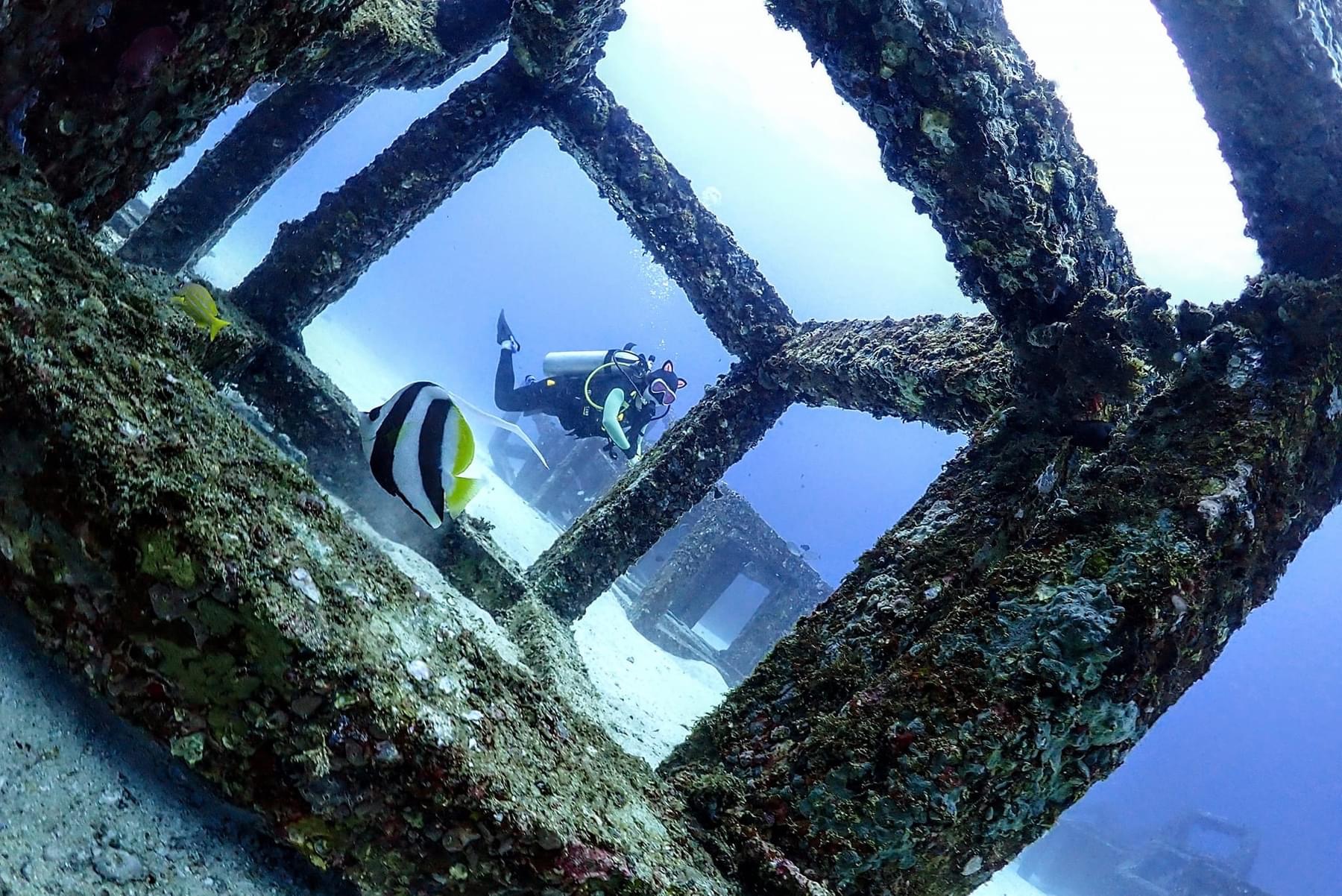
The Hanuman structure was installed in April 2026 and damaged less than a month later during southwest-monsoon conditions. Authorities temporarily told divers and dive professionals to stay away while part of the structure was unstable.
It was removed, repaired and reinstalled. The protected-area director told The Phuket News that it had been accessible again since the beginning of August and was being inspected regularly.
That history helps explain the careful engineering review now under way. Authorities are assessing currents, sea conditions, structural stability, the suitability of the installation area and possible environmental effects before the remaining works are placed underwater in early 2027.
Siam Bay’s Older Statues
The Ramayana museum is not Racha Yai’s first collection of man-made underwater features.
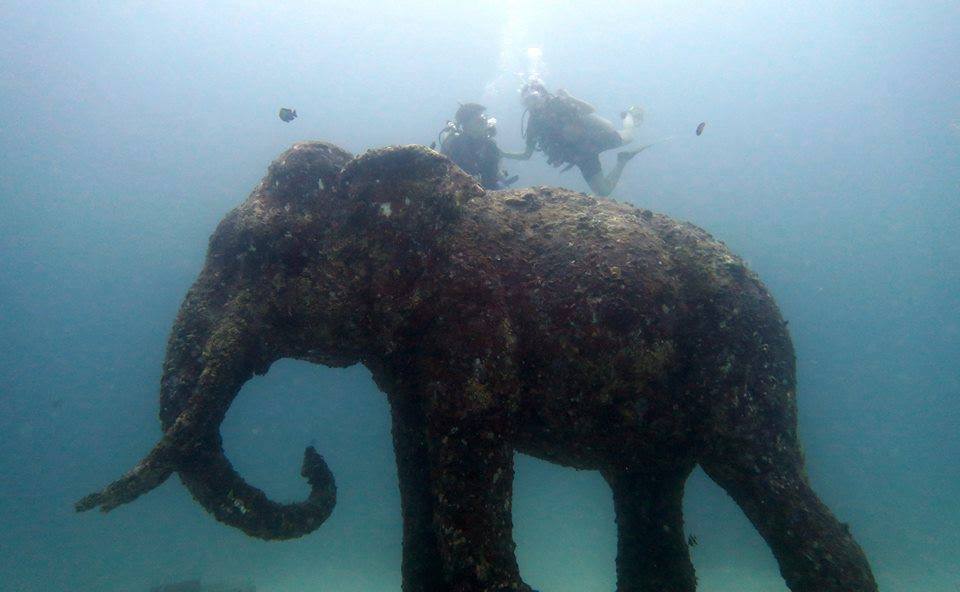
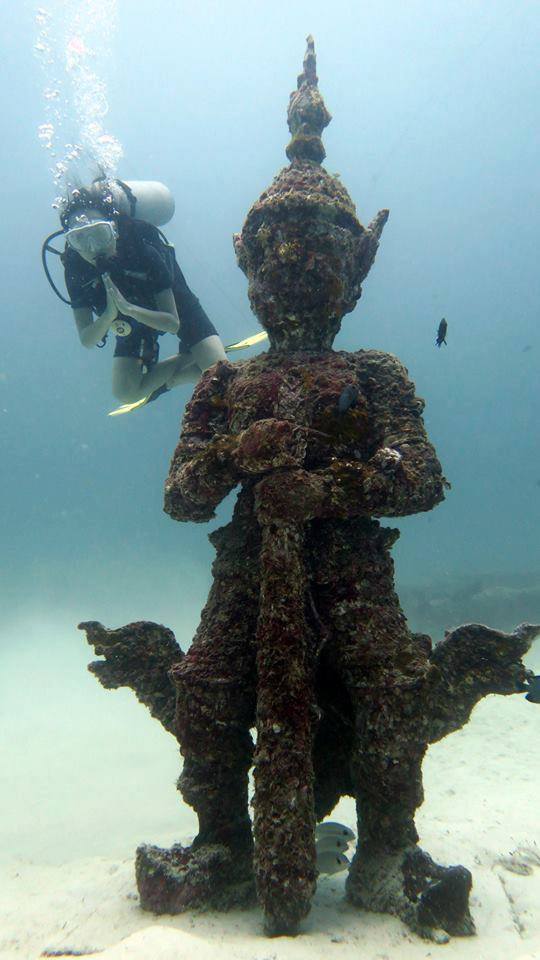
An established PADI dive-site guide describes older monuments in the centre of Siam Bay: two elephant statues, a large temple gate and a mythical giant guardian known as a Yak. The guide places them at roughly 18–20 metres on the sandy part of the bay.
These older landmarks have long helped make Siam Bay memorable. They sit alongside natural features rather than replacing them: sand, coral patches and the tropical marine life that divers may encounter around the bay.
Racha Yai Wrecks and Reefs
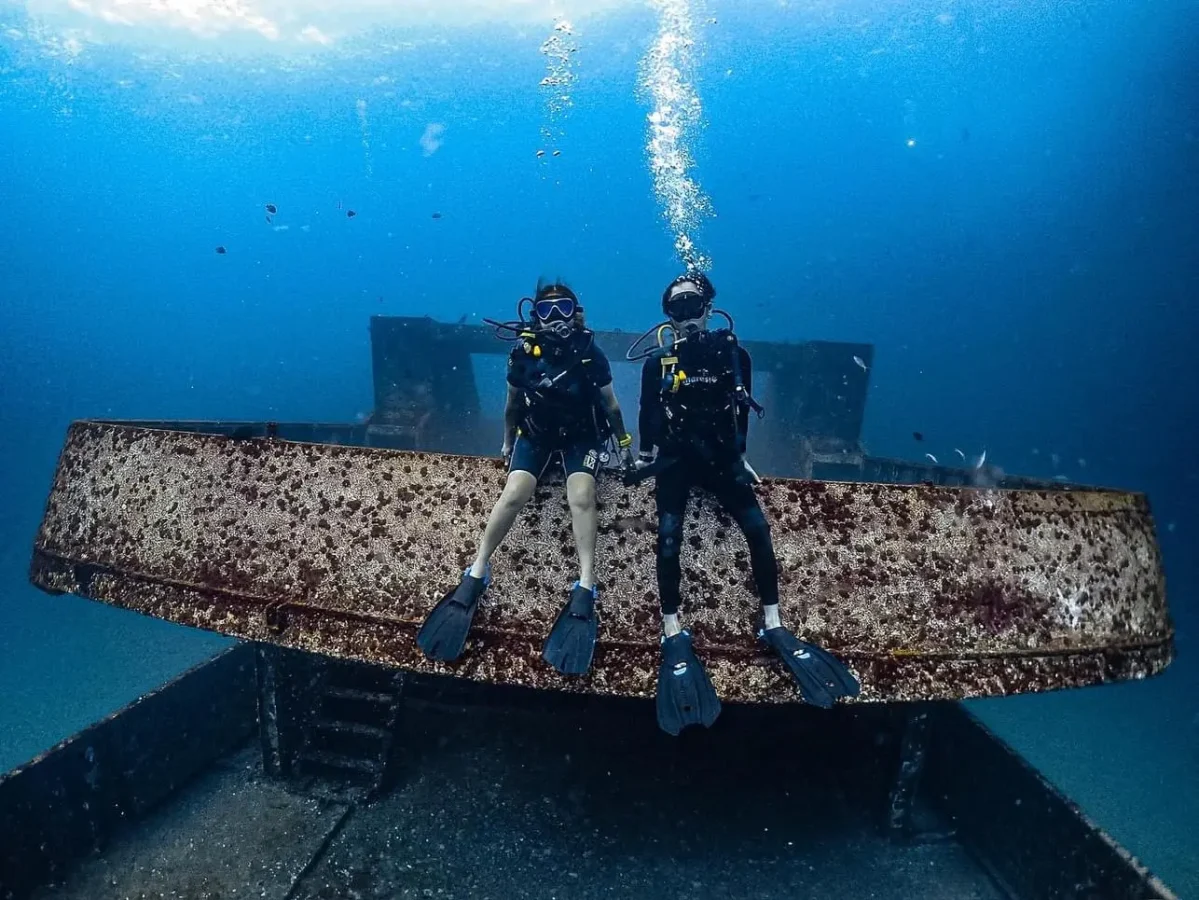
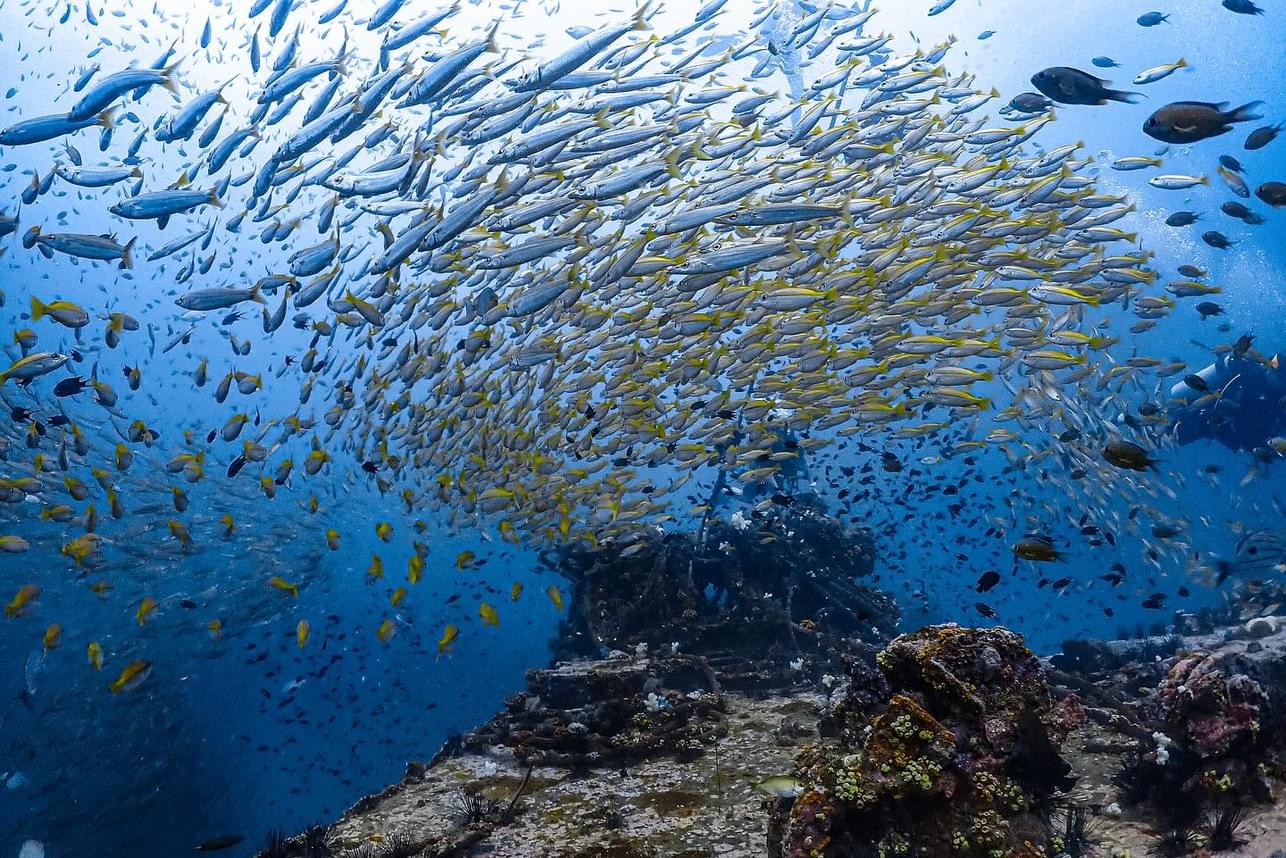
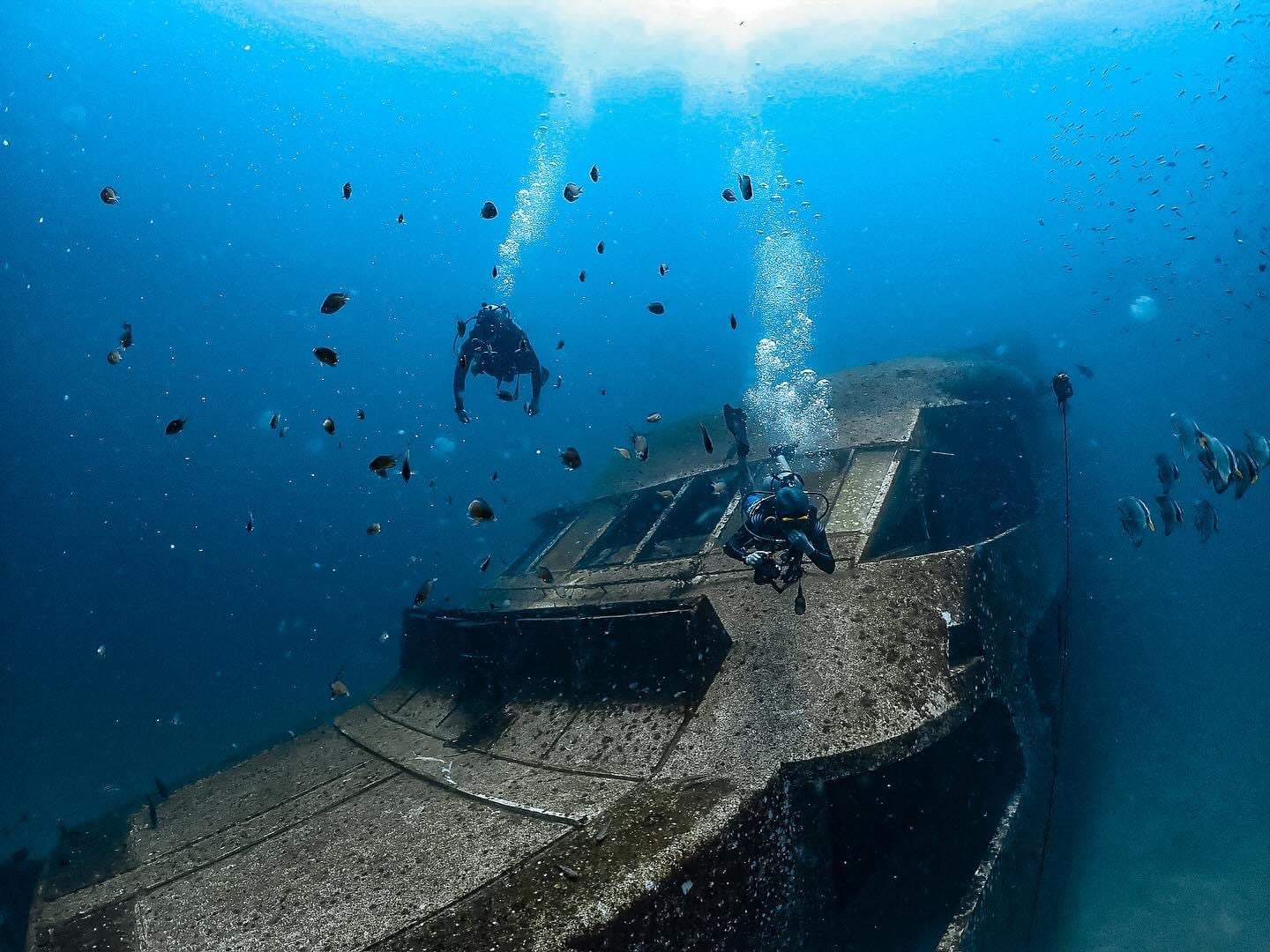
Racha Yai also has artificial-reef structures and several wreck-diving features around its eastern bays. They provide contrasting scenery to the island’s natural reefs and sandy slopes and can attract fish seeking shelter.
The exact wreck, depth and route must be checked for the day’s trip. Local sources do not always agree on historic names and sinking dates, and a wreck’s condition can change. Divers should never use a general blog post as penetration guidance or assume that a particular wreck will form part of the itinerary.
The practical takeaway is that Racha Yai offers more than one style of diving: natural reef areas, sandy-bottom macro searching, older monuments, purpose-built artificial-reef units and wreck scenery.
Are Sculpture Visits Guaranteed?
No. A Racha Yai booking is not a guarantee of a dive at Siam Bay or at any particular sculpture or wreck.
Wind, swell, current, visibility, boat traffic, diver experience, local restrictions and the condition of the site all matter. The captain and dive team choose the most appropriate location and profile for the people and conditions on the day.
This is especially important while the new museum is still being completed and inspected. The safest wording is simple: the site may become part of future Racha Yai diving, but access needs to be confirmed after installation and official safety checks.
Racha Yai for New Divers
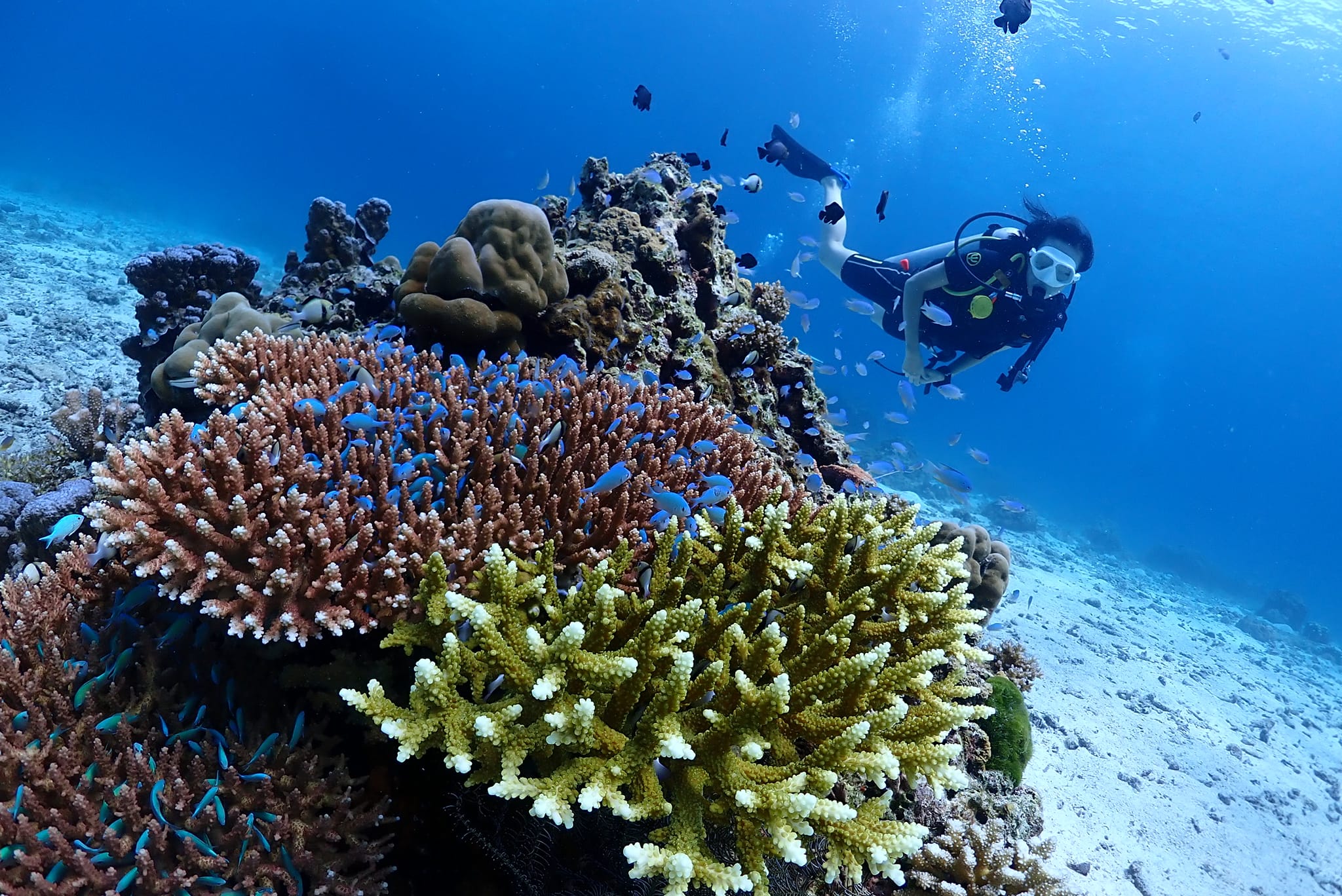
Racha Yai is often discussed for first-time divers, training and newer certified divers because some bays can offer comparatively sheltered profiles when conditions are suitable. That does not make every Racha Yai site, depth or day automatically beginner-friendly.
The older Siam Bay monuments are commonly described at around 18–20 metres, while the new project elements have been reported at 12–19 metres. Programme limits, certification, recent experience and the professional’s assessment still decide what is appropriate.
If you have never dived, start with our Discover Scuba Diving guide. If you are considering certification, read about the PADI Open Water course in Phuket.
Plan Your Racha Islands Dive
Racha Yai and Racha Noi are often combined in conversation, but they offer different diving. Racha Yai has several bays and can suit a wide range of experience levels. Racha Noi is farther south, more exposed and generally discussed for certified divers with suitable recent experience.
Read our Racha Yai vs Racha Noi guide for the practical comparison, or see the current Racha Islands certified-diver trip for the present booking format.
Tell us your intended date, certification, total dives and when you last dived. We can explain the current trip options and suitability, while keeping the final site choice subject to conditions and the day’s operation.
Frequently asked questions
Do I need scuba-diving insurance for a Racha day trip?
Thailand Divers requires all certified divers joining scuba day trips, liveaboards or courses for certified divers to have their own suitable scuba-diving insurance before diving. This includes Refresher, Advanced Open Water, Nitrox and Deep Diver courses. Insurance is not included in these bookings.
Your existing travel insurance or personal dive insurance is acceptable if it covers your planned scuba diving in Thailand, including the activities, maximum depth and all dive dates, with cover for dive-accident medical treatment, emergency evacuation and recompression chamber treatment. Check eligibility, limits and exclusions with your insurer and bring confirmation of cover.
If you already have suitable cover, you do not need to buy another policy. If you need cover, see our scuba insurance guide and DAN short-term option. Check the policy before purchasing.
Scuba-diving accident cover is included for Discover Scuba Diving, Explore Scuba and Open Water students during their booked course, subject to eligibility and policy terms. These students do not need to arrange separate scuba cover for those course activities. This does not replace travel insurance or cover later certified fun dives.
Is the Museum Open?
Not yet. The repaired Hanuman installation was reported accessible from early August 2026, but the remaining sculptures are still being constructed. Their completion is expected during September 2026 and underwater installation is currently planned for early 2027, subject to sea conditions, engineering checks and official safety approval.
Which new sculptures are planned?
The announced works include Rama, Ravana or Thotsakan, Suphannamatcha and Kon Thanon, depicting the Ramayana’s “Jong Thanon” road-building episode.
Which Older Statues Are There?
An established dive-site guide describes two elephants, a large temple gate and a Yak guardian at approximately 18–20 metres.
Is a Sculpture Visit Guaranteed?
No. The final dive sites depend on conditions, safety, access, diver experience and the day’s boat operation.
Sources
- The Phuket News: DMCR chief checks progress of Racha Yai underwater sculptures
- Department of Marine and Coastal Resources: September 2026 construction inspection
- The Phuket News: Four more Ramayana sculptures planned for Racha Yai underwater site
- Department of Marine and Coastal Resources: project cooperation announcement
- PADI: Siam Bay, Racha Yai dive-site guide
 4.8/5
4.8/5 Read on Google