

Why learn to dive? Because a reef becomes a completely different place when you can spend time beneath the surface, watch its wildlife and explore with the skills to feel at home in the water.
You might be curious about a first dive, looking for something memorable to do in Phuket or ready to work towards a certification. Here are six reasons to take that next step, and how to choose the right introduction.
Six good reasons to learn to dive
1. Discover the small things that make a reef special
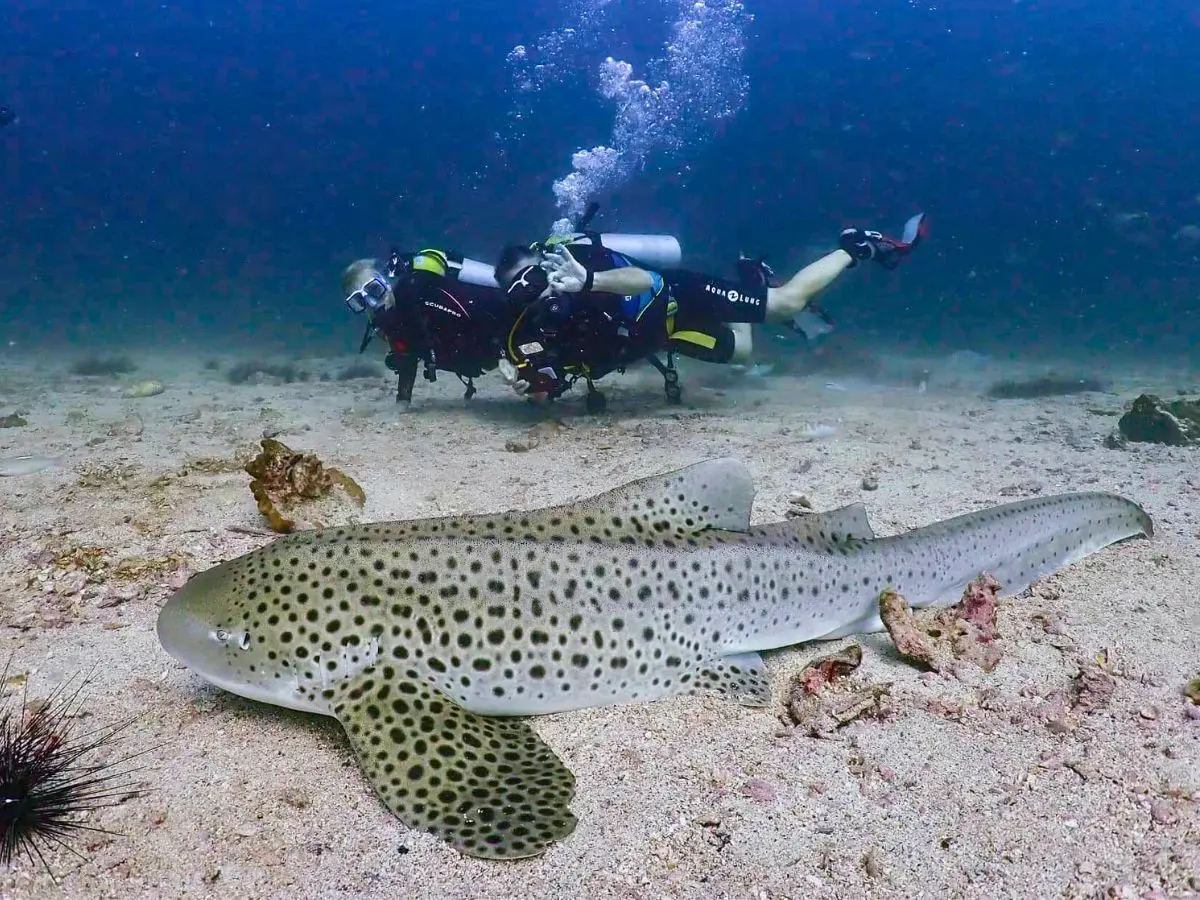
A school of fish changing direction, an anemonefish peering out from its shelter or a moray tucked into a crevice can turn an ordinary-looking patch of reef into the highlight of your day. Learning to dive gives you time to notice these details and understand what your guide is pointing out.
Get a taste of the scenery in our underwater Thailand guide. Enjoy wildlife on its own terms: leave space, keep clear of the coral and let animals choose where they go.
2. Experience the feeling of moving through the water
As your balance and buoyancy improve, diving can feel wonderfully unhurried. Small movements become enough to change position, and you start spending more attention on your surroundings.
That comfortable feeling develops through instruction and practice. You do not need to arrive knowing how to use the equipment; learning it is part of the experience.

3. Turn holiday curiosity into a useful skill
Diving combines practical skills with a better understanding of the underwater environment. You learn how equipment works, how to communicate with hand signals and how to plan and carry out a dive with a buddy.
Completing a certification gives you a foundation to build on. Each later dive is another opportunity to improve, with sites and conditions chosen to suit your training and experience.
4. Add a new dimension to future trips
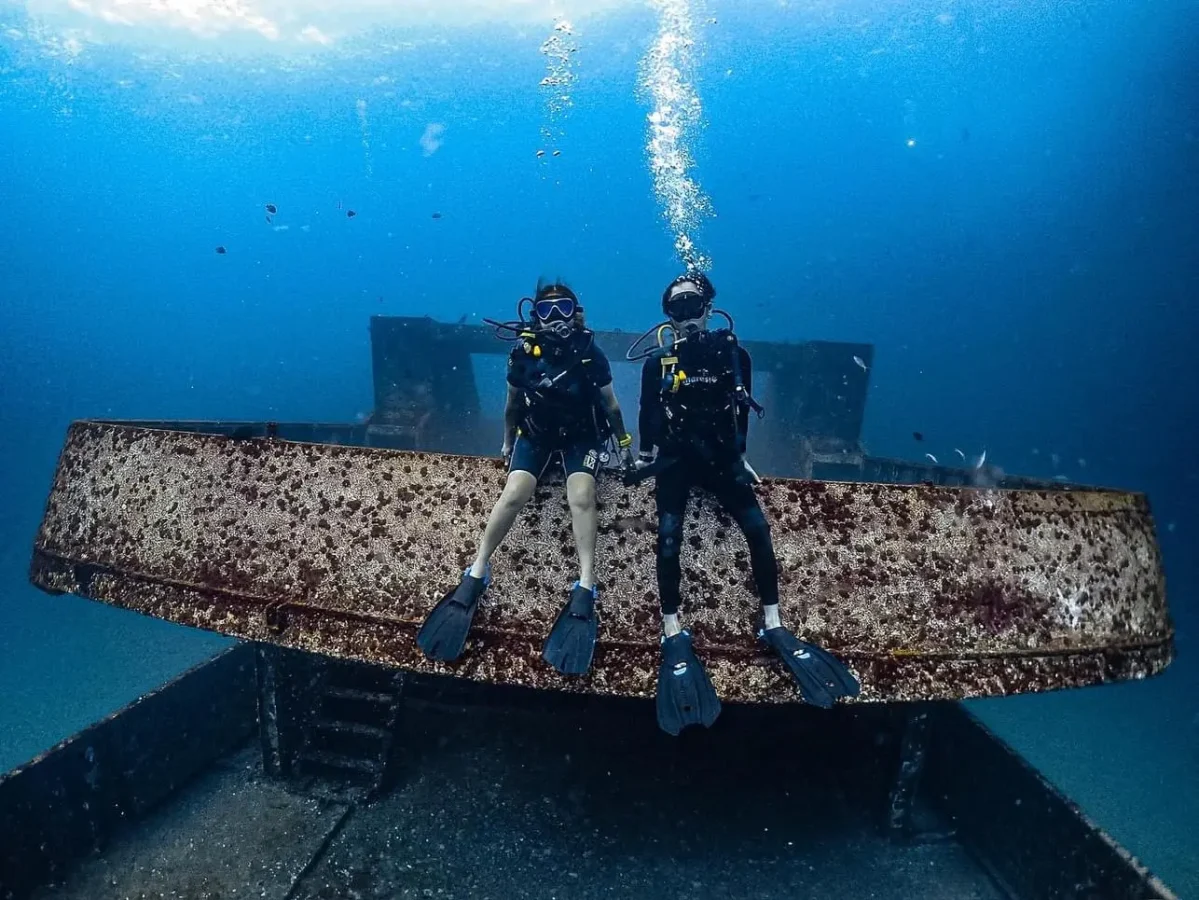
A diving qualification opens up another way to explore destinations you visit. A reef day, a carefully chosen wreck dive or a longer liveaboard journey can become part of a future holiday.
You can start locally and expand gradually. Our Racha Islands dive-site guide shows the variety close to Phuket; the day-trip options help certified divers plan what comes next.
5. Share an experience with other people
Learning with a partner or friend gives you something new to work on together. Joining a course on your own also introduces you to people with the same curiosity about the ocean.
Briefings, buddy checks and hand signals make cooperation part of the day. Back on the boat, comparing the fish you spotted is often the start of a good conversation.
6. Build a closer connection with the ocean
Seeing a living reef can make its care feel much more personal. You begin to notice how your own position, fins and equipment affect the space around you.
Good habits start with the first lesson. Our responsible diving guide explains simple ways to enjoy the reef while keeping clear of its wildlife.
Choose the right first step in Phuket
A first experience and a certification course serve different purposes. Choose the one that matches your holiday time and what you want to take away.
Discover Scuba Diving
An instructor-led introduction for people who want to find out what scuba feels like. You receive a briefing, practise the required skills and dive under supervision. It is an experience programme, rather than a full diving certification.
PADI Open Water Diver
A certification course combining knowledge development, confined-water practice and open-water training dives. It is the starting point if you want to become a qualified diver and continue diving on future trips.

A little preparation makes the first day easier
Choosing a base for your local Phuket diving? Explore our recommended hotels near Thailand Divers, with a map of Rawai and the Chalong Pier area.
- Talk about your water confidence. Tell us if you feel nervous or are unsure which programme suits you. Our swimming and scuba guide explains the different starting points.
- Read the medical questionnaire early. Use our PADI medical-form guide and complete any required clearance before the activity.
- Make space in your itinerary. Read what to expect on a dive day and check flying-after-diving guidance before arranging your final diving day.
- Check before bringing a camera. Read the current beginner camera guidance and confirm what applies to your trip. Focus on learning first.
Learning to dive can be a rewarding part of a Phuket holiday. Start with a programme that suits you, ask questions freely and give yourself time to enjoy the process.
Questions about learning to dive
Can I try scuba before booking a full course?
Yes. Discover Scuba Diving is an instructor-led introduction. It helps you experience scuba before deciding whether to continue to a certification course.
Do I need to buy scuba equipment first?
You do not need to buy your own set to get started. Check the exact programme page for the equipment included and what to bring on the day.
What if I feel nervous?
Tell your instructor before you begin. Ask questions and explain which part worries you so they can discuss the experience and suitable next steps with you.
Will a first dive qualify me to dive on my own?
No. A supervised introductory experience is not a full certification. Open Water training teaches the knowledge and skills for diving with a buddy within your qualification, experience and the conditions.
Programme background: PADI Discover Scuba Diving and PADI Open Water Diver.
 4.8/5
4.8/5 Read on Google